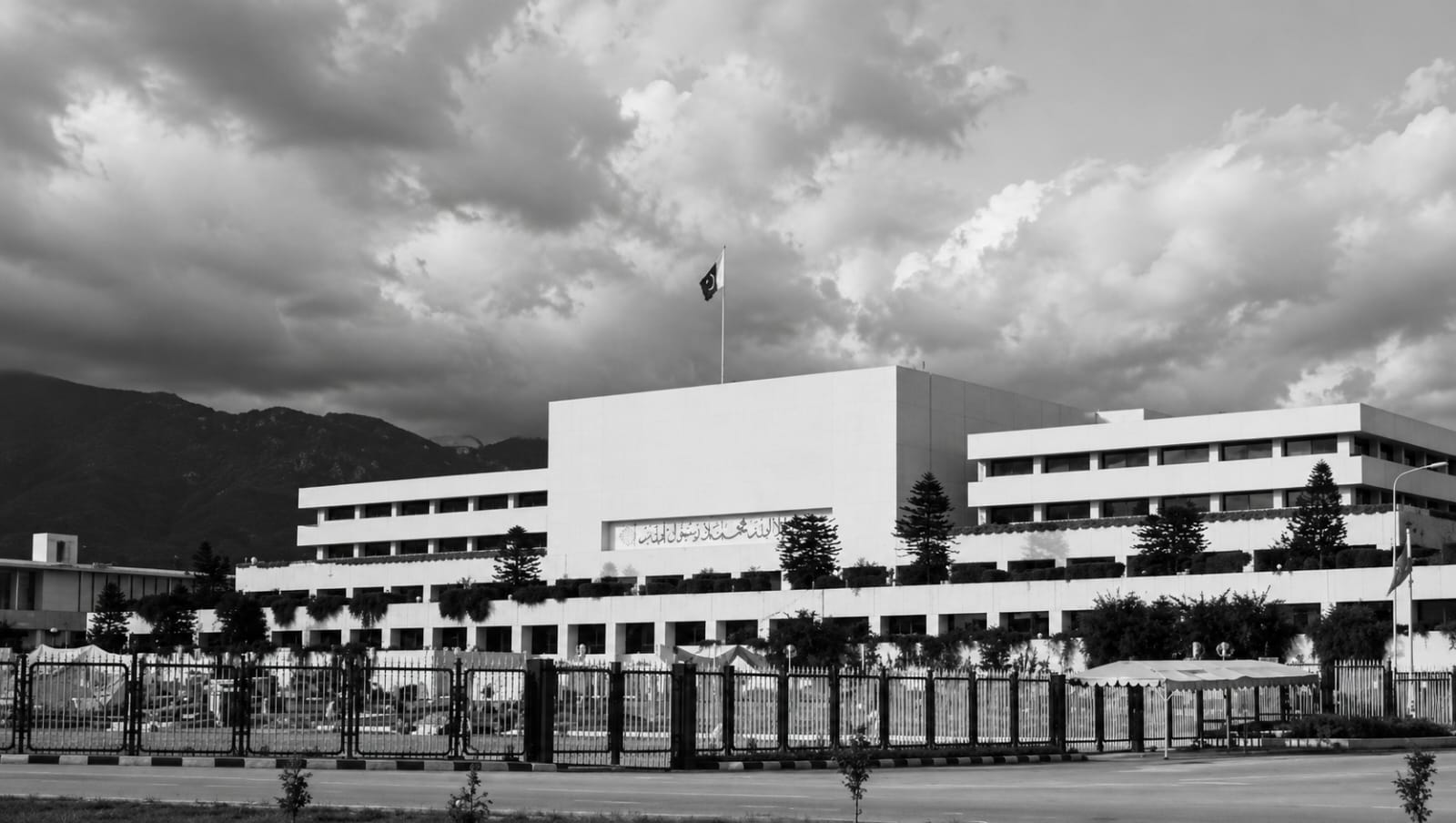
A new World Bank report finds local governments’ share of public spending has fallen from 10% to about 5%, even after Pakistan’s landmark devolution reforms.
Pakistan’s devolution debate is usually framed as a power struggle between the centre and the provinces. Islamabad says the 18th Amendment and 7th NFC Award left it with too little money and too many obligations. Provinces argue that they finally received the autonomy promised to them under the Constitution.
Both claims are real, but they skip the more important question: after power left Islamabad, did it ever reach the citizen?
Pakistan’s history makes that question uncomfortable. The country inherited a centralized fiscal system from colonial rule. The 1956 Constitution deepened that centralization when provinces surrendered sales tax collection to the federal government, and One Unit then folded West Pakistan’s provinces into a single administrative structure. After 1973, Pakistan slowly rebuilt provincial autonomy through NFC bargaining, but local government remained fragile, often strengthened under military rule and weakened when elected provincial governments returned. The 18th Amendment corrected one imbalance by empowering provinces. It did not create a protected, well-financed local tier below them.
That matters because provinces can not replace local government. Punjab has 128 million people, Sindh 56 million, KP 41 million, and Balochistan 15 million. A province of 128 million people is not close to the citizen; it is a country-sized political economy with its own capital, bureaucracy, and incentives to hold power. Fiscal federalism theory points in the opposite direction: services should sit as close as possible to the people affected by them, unless scale or national coordination demands otherwise. Water supply, drainage, street maintenance, solid waste, local roads, transport, zoning, and firefighting are exactly the services where local government should matter most.
The World Bank’s numbers show how little of that happened. Local governments accounted for around 10% of total government spending in 2005. By 2024, their share had fallen to about 5%. At the same time, provincial spending rose after the 7th NFC Award, but current expenditure absorbed about 82% of the incremental resources transferred to provinces over FY09–23. Recurrent expenditure averaged 75% of total provincial spending, while development expenditure remained around 20%. More money moved down from the centre, but much of it was absorbed by the provincial state itself.
The institutional design is weak and local budgets require provincial approval; local governments cannot introduce new taxes without provincial consent, and PFC Awards are irregular: KP’s latest was FY20–21, Punjab’s FY16–17, Sindh’s FY07–08, and Balochistan’s FY06–07. Punjab has not held local elections since 2015. The World Bank calls local government the “most significant gap” in Pakistan’s fiscal federalism.
Pakistan needs to finish its devolution process. The next question is whether Lahore, Karachi, Peshawar, and Quetta are willing to loosen their grip over finances, planning and administration to make space for citizen-led decision-making over the most important national issues.
The Benevolent State: Pakistan Government’s Job-Creating Role
Federal employees working on devolved and non-devolved topics FY2009 vs. FY2022

Islamabad Keeps Putting Out Fires for Provinces
Federal spending on ministries and programmes covering constitutionally devolved topics as % of GDP