This is the first edition of The Ouroboros Economy!
The Ouroboros is an ancient symbol of a snake eating its own tail, often used to represent a cycle that repeats itself. Pakistan’s wheat market has followed a familiar pattern in recent years. After harvest, prices fall and many farmers sell quickly. As supplies tighten later in the year, prices rise, concerns about hoarding emerge, imports are discussed, and the debate over whether the shortage is real or artificial returns. Then the next harvest arrives, and the cycle begins again.
Flour prices have risen sharply across Lahore, Karachi and Peshawar, with a 20kg bag selling for Rs. 2,900–3,000 compared with about Rs. 1,800 a year ago. The government says wheat production is sufficient and attributes higher prices to hoarding. Both claims contain some truth because the shortage is less about production than about how wheat moves from farms to markets.
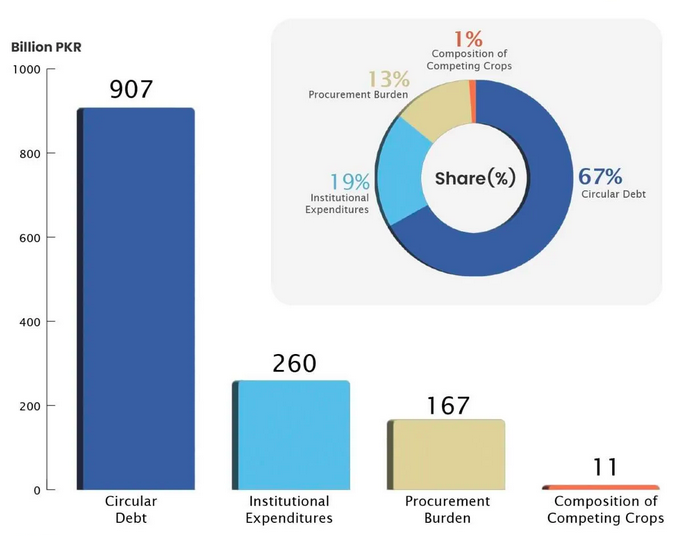
Pakistan’s wheat procurement system has always tried to solve two problems at once: guaranteeing farmers an income and keeping food affordable. Under British rule, canal colonies transformed Punjab into a major wheat-producing region. After independence, the state adopted minimum support prices and became the buyer of last resort, purchasing excess grain, storing it, and releasing stocks when markets tightened. The arrangement stabilized production but gradually made the government the dominant participant in the market. By 2023, provincial borrowing to finance procurement had reached Rs. 680 billion, while storage, allocation and procurement became increasingly costly and difficult to manage.
Reforms followed. Under Pakistan’s IMF-supported programme, governments began reducing direct procurement and shifting toward private-sector purchasing. Punjab’s 2024 model relied on 11 companies, backed by bank financing and government storage, to procure around 3 million tonnes. The transition faltered. Financing agreements were delayed, market prices fell below the announced support price, and farmers sold quickly to private traders. Nine of the eleven firms reportedly purchased little or no wheat, while Sindh procured only 81,348 tonnes against a target of one million.
Supply was also tighter. USDA estimates put 2025–26 production at 29 million tonnes, but lower opening stocks reduced total available supply to 31.8 million tonnes: almost five million tonnes below 2024. Heatwaves and untimely rainfall further reduced yields in several districts. With less wheat entering public stocks, more remained in private storage, strengthening incentives to hold grain as prices rose later in the season.
The result is a recurring cycle: weak procurement at harvest, distressed sales by farmers, grain concentrated in private storage, rising prices, allegations of hoarding, enforcement crackdowns, and renewed discussions of imports. Each response addresses the pressures that emerge later in the year, while the procurement decisions made during harvest continue to shape the next cycle.
This is the first edition of The Ouroboros Economy, a series examining why some of Pakistan’s biggest economic challenges keep returning despite repeated policy changes.
Four Numbers that Explain Pakistan’s Wheat Subsidy Problem
The Cost of Government Intervention in Wheat Market